



E-Books →Ancient Roman Literary Gardens Gender, Genre, and Geopoetics
Published by: book79 on 13-12-2024, 15:51 |  0
0
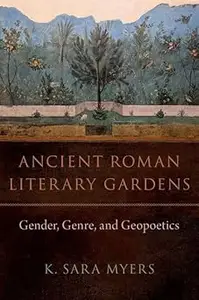
Free Download K. Sara Myers, "Ancient Roman Literary Gardens: Gender, Genre, and Geopoetics"
English | ISBN: 0197773206 | 2024 | 312 pages | PDF | 144 MB
Gardens are not central in Latin literature, but usually somewhere off to the side, as was often the real garden. They appear, however, in some form in nearly all literary genres of Latin literature-history, satire, epigrams, epics, letters, lyric poetry, elegies, and novels-and often edge their way into larger socio-economic and political discussions about Roman identity, gender, wealth, and land use. Through an analysis of ancient garden studies and close readings of major Latin texts from the first centuries BCE and CE, K. Sara Myers examines the function and representation of garden descriptions in the work of a broad range of Roman authors, such as Cicero, Catullus, Vergil, Varro, Horace, Ovid, Petronius, Columella, Statius, and Pliny the Elder and Younger.
While most of the sources in this study are poetic and their gardens fictional, it is still important to situate these works in their cultural and historical contexts. By understanding how to interpret the importance of these spaces in the literature in which they appear, readers will not only better comprehend the aesthetic and ethical values of the work in question, but they will also gain a better insight into ancient Roman attitudes toward gender, art, and human relationships with nature. Myers shows how some Romans constructed the garden as a space under male control: Men are cultivators, while women are cultivated. Literary gardens can symbolize a range of positive masculine ideals and identities for elite men-from the rustic farmer to the philosopher-but can also represent unmanly luxury and leisure. Women in gardens are usually sexualized, depicted as virginal or sexually transgressive, especially when they attempt to express ownership over these spaces. In almost all these texts, the artificial and artistic arrangement of the raw material of nature invites self-reflexivity, which Myers calls "geopoetics," or a "poetics of the earth."
Read more
Buy Premium From My Links To Get Resumable Support,Max Speed & Support Me
Links are Interchangeable - Single Extraction
Help Us Grow – Share, Support
We need your support to keep providing high-quality content and services. Here’s how you can help:
- Share Our Website on Social Media! 📱
Spread the word by sharing our website on your social media profiles. The more people who know about us, the better we can serve you with even more premium content! - Get a Premium Filehost Account from Website! 🚀
Tired of slow download speeds and waiting times? Upgrade to a Premium Filehost Account for faster downloads and priority access. Your purchase helps us maintain the site and continue providing excellent service.
Thank you for your continued support! Together, we can grow and improve the site for everyone. 🌐
Related News
-
{related-news}
Comments (0)

Information
Users of Guests are not allowed to comment this publication.
Search
Updates
Partner
» TutBB
» Byte
» Crawli
» Warezomen
» Warez-DDL
» Raidrush
» KATZCD
» Free Ebooks Library
Your Link Here ?
(Pagerank 4 or above)
» Byte
» Crawli
» Warezomen
» Warez-DDL
» Raidrush
» KATZCD
» Free Ebooks Library
Your Link Here ?
(Pagerank 4 or above)