



E-Books →Next Generation Sequencing in Forensic Science A Primer
Published by: Baturi on 30-07-2021, 03:56 |  0
0
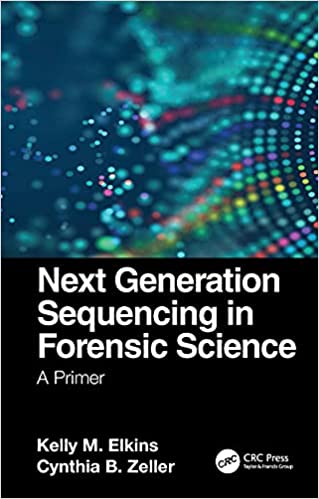
English | 2021 | ISBN: 1032072040 | 193 pages | True PDF | 7.98 MB
Next Generation Sequencing in Forensic Science: A Primeraddresses next generation sequencing (NGS) specific to its application to forensic science. The first part of the book offers a history of human identity approaches, including VNTR, RFLP, STR, and SNP DNA typing. It discusses the history of sequencing for human DNA typing, including Sanger sequencing, SNaPshot, pyrosequencing, and principles of next generation sequencing. The chapters present an overview of the forensically focused AmpliSeq, ForenSeq, Precision ID, PowerSeq, and QIAseq panels for human DNA typing using autosomal, Y and X chromosome STRs and SNPs using the MiSeq FGx and Ion Torrent System. The authors outline the steps included in DNA extraction and DNA quantitation that are performed prior to preparing libraries with the NGS kits.
The second half of the book details the implementation of ForenSeq and Precision ID to amplify and tag targets to create the library, enrich targets to attach indexes and adaptors, perform library purification and normalization, pool the libraries, and load samples to the cartridge to perform the sequencing on the instrument. Coverage addresses the operation of the MiSeq FGx and Ion Chef, including creating a sample list, executing wash steps, performing NGS, understanding the run feedback files from the instrument, and troubleshooting. ForenSeq and Precision ID panel data analysis are explained, including how to analyze and interpret NGS data and output graphs and charts. The book concludes with mitochondrial DNA (mtDNA) sequencing and SNPs analysis, including the issue of heteroplasmy. The final chapters review forensic applications of microbial DNA, NGS in body fluid analysis, and challenges and considerations for future applications.
FEATURES
- Focuses on human identification using traditional and NGS DNA typing methods targeting short tandem repeats (STRs)
- Applies the technology and its application to law enforcement investigations and identity and ancestry single nucleotide polymorphisms (SNPs) for investigational leads, mass disaster, and ancestry cases
- Presents the underlying principles of NGS in a clear, easy-to-understand format for practitioners and students studying DNA in forensic programs
This is the first book to prepare practitioners to utilize and implement this new technology in their lab for casework, highlighting early applications of how NGS results have been used in court. The book can be utilized for upper-level undergraduate and graduate students taking courses focused on NGS concepts. Readers are expected to have a basic understanding of molecular and cellular biology and DNA typing.
Buy Premium From My Links To Get Resumable Support,Max Speed & Support Me

https://rapidgator.net/file/85edac400370881b12f095d401c4164a/bzbdi.Next.Generation.Sequencing.in.Forensic.Science.A.Primer.rar.html

http://nitro.download/view/E35432369C7B517/bzbdi.Next.Generation.Sequencing.in.Forensic.Science.A.Primer.rar

https://uploadgig.com/file/download/055f53166070c8dd/bzbdi.Next.Generation.Sequencing.in.Forensic.Science.A.Primer.rar
Help Us Grow – Share, Support
We need your support to keep providing high-quality content and services. Here’s how you can help:
- Share Our Website on Social Media! 📱
Spread the word by sharing our website on your social media profiles. The more people who know about us, the better we can serve you with even more premium content! - Get a Premium Filehost Account from Website! 🚀
Tired of slow download speeds and waiting times? Upgrade to a Premium Filehost Account for faster downloads and priority access. Your purchase helps us maintain the site and continue providing excellent service.
Thank you for your continued support! Together, we can grow and improve the site for everyone. 🌐
Related News
-
{related-news}
Comments (0)

Information
Users of Guests are not allowed to comment this publication.
Search
Updates
Partner
» TutBB
» Byte
» Crawli
» Warezomen
» Warez-DDL
» Raidrush
» KATZCD
» Free Ebooks Library
Your Link Here ?
(Pagerank 4 or above)
» Byte
» Crawli
» Warezomen
» Warez-DDL
» Raidrush
» KATZCD
» Free Ebooks Library
Your Link Here ?
(Pagerank 4 or above)