



E-Books →Monstrous Fictions Reflections on John Calvin in a Time of Culture War
Published by: book79 on 25-05-2025, 12:36 |  0
0
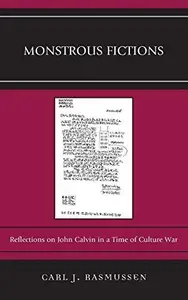
Free Download Monstrous Fictions : Reflections on John Calvin in a Time of Culture War By Carl J. Rasmussen
2016 | 199 Pages | ISBN: 0739193597 | EPUB | 1 MB
The Reformer John Calvin has influenced America in a formative way. Calvin remains respected as a theologian to whose work intellectuals on both the right and left appeal. In the nineteen-nineties, Evangelicals and Catholics Together (ECT) formed a politically influential ecumenical coalition to oppose abortion and change the culture. Its ecumenism of the trenches influenced the administration of George W. Bush and continues to influence religious elements in the Tea Party. Evangelicals in the coalition presume to speak for Calvin. This book provides a counter argument. Calvin rejects the ethics advocated by ECT, an ethics of individual virtue, conscience and natural right. Instead, he affirms an ethics of obedience to the authority of secular government as an institution with a divinely ordained mandate. This work considers the following themes in Calvin: Calvin on Faith. Modern and postmodern philosophical approaches, including Reformed epistemology, do not explain how Calvin understood faith. Faith is divine activity. Belief is human activity. Faith is not a belief system or worldview on which to base a political theology. The author provides four Augustinian theses about Calvin on faith Calvin on Sanctification. Calvin rejected virtue ethics or an ethics of individual conscience. His ethics require self-denial and service. An important requirement of his ethics is obedience to government. The author provides three theses about Calvin on sanctification, as a critique of attempts to revive virtue ethics. Calvin on Natural Law. Calvin's doctrine of natural law is one of the most vexed issues in Calvin studies. The author provides five theses to clarify Calvin's doctrine of natural law. For Calvin, secular government transcends the authority of conscience, and Christians in conscience are required to obey it. In conclusion, the author discusses Karl Barth's interpretation of Calvin and its relevance for the church struggle against the Third Reich. Based on his analysis of Calvin, he provides a defense of gay marriage and the right to terminate a pregnancy, as well as an analysis of religious freedom. Calvin would reject ECT's theology of virtue, conscience and natural law. But he would affirm its ecumenism as a possible path out of culture war.
Buy Premium From My Links To Get Resumable Support,Max Speed & Support Me
Links are Interchangeable - Single Extraction
Help Us Grow – Share, Support
We need your support to keep providing high-quality content and services. Here’s how you can help:
- Share Our Website on Social Media! 📱
Spread the word by sharing our website on your social media profiles. The more people who know about us, the better we can serve you with even more premium content! - Get a Premium Filehost Account from Website! 🚀
Tired of slow download speeds and waiting times? Upgrade to a Premium Filehost Account for faster downloads and priority access. Your purchase helps us maintain the site and continue providing excellent service.
Thank you for your continued support! Together, we can grow and improve the site for everyone. 🌐
Related News
-
{related-news}
Comments (0)

Information
Users of Guests are not allowed to comment this publication.
Search
Updates
Partner
» TutBB
» Byte
» Crawli
» Warezomen
» Warez-DDL
» Raidrush
» KATZCD
» Free Ebooks Library
Your Link Here ?
(Pagerank 4 or above)
» Byte
» Crawli
» Warezomen
» Warez-DDL
» Raidrush
» KATZCD
» Free Ebooks Library
Your Link Here ?
(Pagerank 4 or above)