



E-Books →Building Memories The Neolithic Cotswold Long Barrow at Ascott–under–Wychwood, Oxfordshire
Published by: book79 on 28-09-2024, 12:53 |  0
0
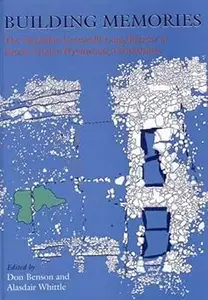
Free Download Alasdair Whittle, "Building Memories: The Neolithic Cotswold Long Barrow at Ascott-under-Wychwood, Oxfordshire "
English | ISBN: 1842172360 | 2006 | 464 pages | PDF | 177 MB
It is just over forty years since the start of the excavations of the Ascott-under-Wychwood long barrow (1965-69) under the direction of Don Benson. The excavations belonged to the latter part of a great period of barrow digging in southern Britain, which was ending just as, by striking contrast, intensified investigation and fieldwork at causewayed enclosures were beginning. Although a long gap has passed since the excavations took place, they have nonetheless produced a rich and important set of results, and the analysis has been enhanced by more recent techniques. The site now joins Burn Ground and Hazleton North as one of only three Cotswold long barrows or cairns to have been more or less fully excavated. The barrow had been built in two main stages, in a series of bays defined by lines of stakes and stone, and filled mainly with earth and turf, with some stone; it was enclosed or faced by stone walling, the outermost being of very fine quality. The barrow contained two opposed pairs of stone cists, each with a short passage from the long sides of the monument. The cists and passages contained the remains of some 21 people (of all ages and both sexes), probably deposited in a variety of forms from fleshed inhumations to incomplete secondary remains and cremations. The barrow was built in the 38th century cal BC and was probably one of the earliest such constructions in the region. It was probably in use for only three to five generations, lasting into the 37th century cal BC. Occupation features from the early fourth millennium cal BC included small pits, hearths and two small timber post structures, and there were finds of pottery, flint, axe fragments, stone querns and animal bone. People used cattle, sheep and pigs, and there is a range of wild species, especially in the midden. The authors of this report not only document the finds and research, but also address wider questions of how the early Neolithic inhabitants viewed their society through the barrow, and how the development of the site reflected memory and interaction with a changing world.
Read more
Buy Premium From My Links To Get Resumable Support,Max Speed & Support Me
Links are Interchangeable - Single Extraction
Help Us Grow – Share, Support
We need your support to keep providing high-quality content and services. Here’s how you can help:
- Share Our Website on Social Media! 📱
Spread the word by sharing our website on your social media profiles. The more people who know about us, the better we can serve you with even more premium content! - Get a Premium Filehost Account from Website! 🚀
Tired of slow download speeds and waiting times? Upgrade to a Premium Filehost Account for faster downloads and priority access. Your purchase helps us maintain the site and continue providing excellent service.
Thank you for your continued support! Together, we can grow and improve the site for everyone. 🌐
Related News
-
{related-news}
Comments (0)

Information
Users of Guests are not allowed to comment this publication.
Search
Updates
Partner
» TutBB
» Byte
» Crawli
» Warezomen
» Warez-DDL
» Raidrush
» KATZCD
» Free Ebooks Library
Your Link Here ?
(Pagerank 4 or above)
» Byte
» Crawli
» Warezomen
» Warez-DDL
» Raidrush
» KATZCD
» Free Ebooks Library
Your Link Here ?
(Pagerank 4 or above)